首页Home›食Eat & Drink
食在深圳:从一盅两件到深夜糖水Eating in Shenzhen: from morning tea to midnight sweets
深圳是一座移民城市,餐桌比人口更诚实:广府早茶是底色,潮汕牛肉火锅是乡愁,客家菜是本土记忆,剩下的格子被湖南、四川、东北和东南亚填满。这一页告诉你什么时候吃、去哪里吃、怎么点、怎么买单。Shenzhen is a city of migrants, and its tables are more honest than its census: Cantonese morning tea is the baseline, Chaoshan beef hotpot is the homesickness, Hakka cooking is the local memory, and everything else is filled in by Hunan, Sichuan, the northeast and Southeast Asia. This page covers when to eat, where to go, how to order and how to pay.
先读这一页
深圳味道的四个底子
有人说深圳是「美食荒漠」,这话早就过时了。判断一座城市吃得好不好,先看它有没有稳定的味觉底子。深圳有四个:广府、潮汕、客家,以及海上来的鲜。
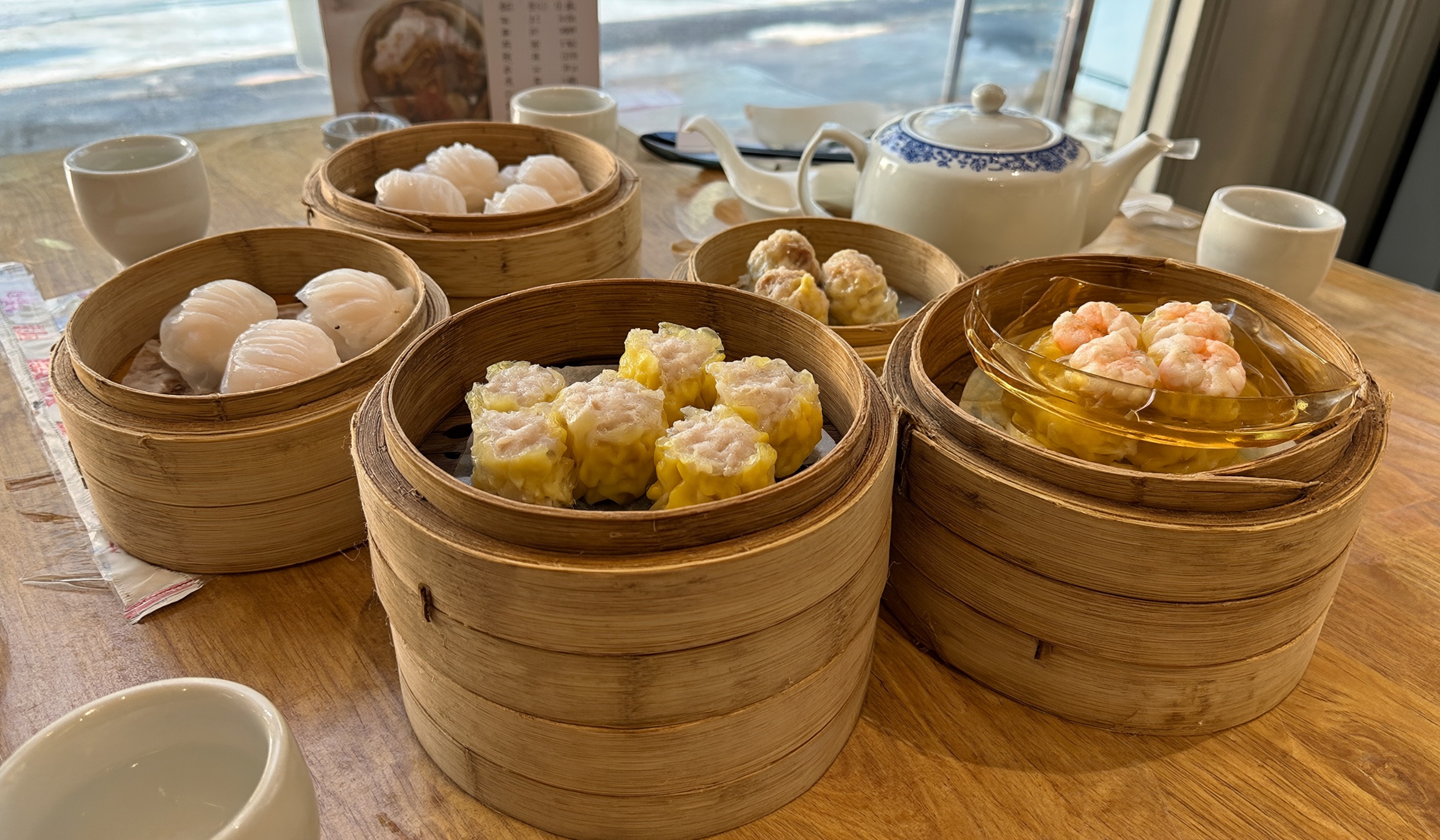
广府:早茶与烧腊
深圳本地原住民讲粤语、说客家话,饮食底色是广府系。虾饺、烧卖、叉烧包、肠粉、烧鹅、老火汤构成了日常的一日三餐。对来访者最友好的一餐,永远是早茶——它既是早餐,也是一场两小时的社交。
潮汕:把一头牛吃成一张菜单
深圳的潮汕人口规模极大,牛肉火锅店几乎每个商圈都有。潮汕人讲究「鲜」与「本味」,清汤锅底、现切黄牛肉、按部位分别涮几秒,蘸沙茶酱,最后用一碗粿条收尾。
客家:深圳的「老深圳」
深圳的前身宝安县是客家人聚居地,龙岗、坪山、大鹏、龙华一带至今保留客家围屋和村落格局。盐焗鸡、酿豆腐、梅菜扣肉、盆菜,是本地味道里最扎实的一支,也是宴请时最不容易出错的一支。
海:从南澳到沙井
深圳有约 260 公里海岸线。东部的大鹏半岛(南澳)吃现捞海鱼、生蚝和窑鸡;西部的沙井以蚝闻名;蛇口海上世界一带则是海景餐厅与异国料理的集合地。吃海鲜记住一句话:先问价,再下单,按斤称重。
深圳热门餐厅周末晚市等位 30–90 分钟是常态,网红店更久。本地人的做法是:出发前用大众点评或美团 App 远程取号(很多店支持「线上排队」),到了直接核销;如果前面还有 20 桌,就先去隔壁商场逛一圈。商务宴请务必提前 1–2 天订包间——包间比大厅难订得多,APEC 会议周期间尤其如此。
一天吃什么:24 小时时间线
深圳的餐饮时间表比大多数中国城市长:早上 6 点多有人饮茶,凌晨 2 点还有人吃砂锅粥。下面这条线可以直接当行程用。
- 06:30–11:00早茶(饮茶 / 叹茶)
虾饺、烧卖、凤爪、肠粉、艇仔粥、叉烧包。传统老茶楼 6:30 开门,商场里的茶楼一般 9:00 后开。工作日上午比周末安静得多。 - 11:00–14:00午市:烧腊饭 / 快餐 / 商场连锁
写字楼区(福田 CBD、南山科技园、车公庙)的烧腊饭、云吞面、米粉店在 12:00–13:00 会排长队。想省时间就 11:30 前或 13:15 后去。 - 14:00–17:00下午茶 / 糖水
双皮奶、杨枝甘露、龟苓膏、绿豆沙。老城区的糖水铺下午三点后最热闹,也是观察本地生活的窗口。 - 17:30–21:00正餐:牛肉火锅、客家菜、海鲜、移民菜系
牛肉火锅务必 18:00 前到或先取号;海鲜排档建议 17:30 就去挑货;商务宴请通常 18:30 开席。 - 21:00–02:00宵夜:砂锅粥、烧烤、肠粉、潮汕夜糜
罗湖、福田的宵夜街和城中村夜市最晚,节假日凌晨仍有摊档。注意:部分夜市只收移动支付。
早茶怎么点:一份可照抄的顺序
早茶的核心不是「吃什么」,而是「怎么点」。一下点满一桌,点心会凉、口感会塌。正确的节奏是分三轮。
-
落座先开茶位
坐下第一件事是选茶:普洱、铁观音、菊普、香片。服务员会问「几位、饮咩茶」。茶位费按人头计,广东茶楼普遍收茶位费(几十元以内);如果不喝茶,可以点白开水,多数店仍会收茶位或最低消费。这是本地惯例,不是宰客,但价格请以菜单标价为准。
-
第一轮:蒸点打底
虾饺(鲜、皮薄)、干蒸烧卖(猪肉虾仁)、凤爪(先炸后蒸,脱骨)、排骨(豉汁)、肠粉(现拉的米浆皮,可包牛肉、虾或叉烧)。这一轮决定整顿饭的基调,先点 4–6 笼,两三人分食。
-
第二轮:包、卷、炸物
叉烧包(甜咸交错)、流沙包(咸蛋黄流心,趁热咬会烫)、糯米鸡、腐皮卷、春卷、咸水角。这一轮偏饱腹,人少就少点,宁可加单。
-
第三轮:粥、粉、面、甜点
艇仔粥、皮蛋瘦肉粥、干炒牛河、萝卜糕、马蹄糕、蛋挞。收尾用甜点最舒服。全程用茶「涮」一下口腔,再吃下一笼,这是「叹茶」的本意——慢。
-
埋单与礼节
点心按笼计价,服务员会在点心卡上盖章或扫码记账。广东人习惯「抢埋单」——主人往往在席间悄悄去柜台结账。作为客人,客气推让一次即可,不必坚持。
潮汕牛肉火锅:部位与秒数
锅底是牛骨清汤,加几块白萝卜和玉米。牛肉当天现宰现切,按部位下锅,涮的时间以秒计。看到菜单上陌生的名字不要慌,记住这张表就够点菜了。
| 部位 | 口感 | 建议涮烫 |
|---|---|---|
| 吊龙 / 吊龙伴 | 牛脊肉,肥瘦相间,最通用 | 8–10 秒 |
| 匙柄 / 匙仁 | 肩胛部位,嫩而有嚼劲 | 8–10 秒 |
| 三花趾 / 五花趾 | 牛腱,带筋纹,脆爽 | 10–12 秒 |
| 胸口朥 | 牛胸前脂肪,久煮不烂,香而不腻 | 2–3 分钟 |
| 嫩肉 | 瘦,最便宜,适合下粿条 | 6–8 秒 |
| 牛筋丸 / 牛肉丸 | 手打,弹牙;牛筋丸内含筋粒 | 浮起后再煮 1 分钟 |
蘸料是沙茶酱加少许普宁豆酱或辣椒酱;追求原味的话只加一点点盐和芹菜粒。吃到一半下一把粿条,最后用汤泡一碗,才算完整。
客家菜与本地老味道
客家菜的技法可以概括为四个字:咸、香、肥、熟。盐焗鸡用粗盐埋焗,鸡皮金黄、肉里带盐香;酿豆腐是把肉馅塞进嫩豆腐再煎焖;梅菜扣肉蒸到肥肉透明;盆菜则是节庆时把十几种食材层层码进大盆,越往下越入味。
深圳的客家根基在东部和北部:大鹏、龙岗、坪山、龙华的客家围屋(如鹤湖新居、大万世居一类)周边,还能吃到最日常的客家菜。除此之外,深圳的「本地味」还有两样一定要提:光明乳鸽——光明区以乳鸽闻名,皮脆肉嫩,红烧和脆皮两种做法最常见;公明烧鹅——光明区公明一带的烧鹅以皮脆、肉汁足著称。这两样都是「去当地吃才最对」的类型。
海鲜去哪儿吃
南澳(大鹏半岛)
深圳东部最像海边的地方。海鲜大排档与渔村餐厅集中,招牌是海胆蒸蛋(季节性强)、白灼虾、清蒸海鱼、窑鸡。距离市区远(自驾约 1.5 小时),适合安排半天。
沙井(宝安西部)
「沙井蚝」是深圳最有名的物产之一,生蚝肥美、蚝油醇厚。吃法从炭烧生蚝到蚝仔粥、蚝油捞面都有。蚝有季节性,冬天品质最好。
蛇口海上世界
南山蛇口的海滨商圈,以「明华轮」为核心,周边餐厅密集、菜系国际化,适合商务晚餐和饭后散步看海。价格高于排档,但环境与便利性最好。
吃海鲜的三条硬规则:一是先问单价和计价单位(按斤还是按只);二是要求当面过秤;三是把做法讲清楚——清蒸、白灼、蒜蓉、避风塘,做法不同价格可能不同。结算前核对账单,深圳正规餐厅都可以要求打印明细。
街头那一档:肠粉、云吞面、烧腊、糖水
人均 15–40 元能吃饱,而且是深圳最真实的一面。
- 肠粉:米浆现蒸,拉成薄皮后卷起,加蛋、牛肉或虾,淋一勺豉油。早餐高峰五分钟出一份,站在店门口吃是常态。
- 云吞面:碱水细面配鲜虾云吞,汤底是大地鱼和猪骨熬的。正宗吃法是面要弹、汤要清、云吞要见虾尾。
- 烧腊:烧鹅、叉烧、油鸡、烧肉挂成一排,切件配米饭或捞面。判断水准看两处——皮够不够脆,豉油汁咸不咸。
- 糖水:双皮奶、姜撞奶、杨枝甘露、番薯糖水、清补凉。广式糖水偏清润,不是西式甜点那种甜。
- 潮汕夜糜:白粥配卤水、鱼饭、生腌、薄壳。宵夜里的王者,配一泡单丛茶最舒服。
移民美食地图:深圳的另一种正宗
深圳真正的「本地菜」,其实是全国各地的人带来的家乡菜。因为人口基数大、竞争激烈,外来菜系在这里的水平普遍不低。
椰子鸡 & 猪肚鸡
椰子鸡用椰青水做锅底煮文昌鸡,先喝汤再吃肉,蘸沙姜青桔酱油,是深圳最受欢迎的「轻火锅」。猪肚鸡则以胡椒猪肚鸡汤打底,暖胃,适合秋冬和会议季的晚上。
湘菜 & 川菜
深圳的湖南人和四川人极多,湘菜(小炒肉、剁椒鱼头、擂辣椒皮蛋)与川菜(火锅、串串、冒菜、水煮系列)密度极高,价格也最亲民。不能吃辣一定要说「不要辣 / 微辣」——默认辣度对多数国际客人偏高。
东南亚 & 韩餐
车公庙、海岸城、万象天地一带聚集了大量东南亚餐厅(泰国、越南、新加坡)和韩餐(烤肉、部队锅、炸鸡)。口味经过本地化调整,但胜在选择多、营业到很晚。
东北、西北、云南
东北菜(锅包肉、饺子、铁锅炖)、西北面食(兰州拉面、陕西凉皮)、云南菜(汽锅鸡、菌子火锅)都能找到稳定水准的店,尤其适合团队用餐——分量大、人均低、好分食。
素食与清真(Halal)
素食:深圳的素食选择在过去十年明显变多。寺庙附近的斋菜馆(如弘法寺一带)、商场里的素食餐厅和「素菜自助」都有。点菜时记住两句:我吃素,不要肉、不要海鲜、不要动物油;如果严格素食,再加一句 不要葱蒜韭和蛋奶。
清真:深圳没有集中的「清真街区」,但清真餐厅分布很广,主要分两类。一类是西北风味与清真面点,最常见的是兰州牛肉拉面,遍布南山、福田、罗湖以及龙岗、宝安的工业区和居民片区;另一类提供新疆菜、陕西风味、羊肉和火锅,在南山(南山大道、蛇口一带)、福田(振兴路、梅林一带)、罗湖(湖贝路、春风路一带)较为集中。盐田、龙岗、宝安各区也有大量清真拉面店。
中国的「清真」主要指不含猪肉及其制品、不使用酒精类调料的饮食规范,与东南亚、中东地区通行的 Halal 认证体系并不完全等同。如果对认证有严格要求,请提前致电餐厅确认食材来源与用油,或选择明确标注清真认证的餐厅。深圳部分餐厅提供英文菜单(会议周期间主要在口岸和核心商圈),但清真认证标识并不普遍,建议由当地同事或酒店礼宾协助确认。
商务宴请:座次、公筷、敬酒、买单
深圳的商务宴请比北方城市节奏快、酒文化更克制,但基本规矩一致。理解这几条,能让你在饭桌上不被读成「不懂事」。
-
座次:主位朝向门口
圆桌上正对包间门口的位置是主位,通常由主方最高职级者或最年长者坐。主位右手边是第一主宾位,左手边次之,其余按职级和熟悉程度交错。若不确定坐哪,等主人安排或坐靠近门口的位置——那是「陪席」位,最安全。
-
公筷公勺:先看主人
深圳餐厅普遍提供公筷公勺,尤其在会议和商务场合。观察主人是否使用:如果主人用公筷,你也用;如果同桌都是熟人、直接动筷,跟着做也不会失礼。转盘要顺时针推,别在别人夹菜时转。
-
敬酒:先敬主位,量力而行
敬酒顺序是先主位、后按座次,逐个进行;碰杯时自己的杯沿略低于对方,表示尊重。白酒是常见选择,但深圳商务务实,茶、果汁、无酒精啤酒都很常见,说一句「我开车 / 医生建议不饮酒 / 我以茶代酒」完全能被接受,不必硬撑。干杯是「随意」与「干了」两回事,听不懂可以直接问。
-
点菜:由主人安排,客人给偏好
通常主人点菜,先问客人忌口。回答时可以给具体信息而不是「都可以」:不吃辣、不吃猪肉、不吃海鲜、素食、坚果过敏。这些信息越具体,主人越好安排。
-
买单:谁邀请谁付
规则简单——谁发出邀请谁买单。作为客人抢着付账在本地并不被期待,坚持反而让对方为难。想回请,就明确说「下次我安排」。有些餐厅会加收服务费或包间费,主人结账时会一并处理,客人不必过问。
美食区域对照表
按「你现在在哪」来选,比按菜系选更实用。
| 区域 | 怎么去 | 代表吃法 | 适合场景 |
|---|---|---|---|
| 福田 CBD(会展中心 / 购物公园) | 地铁 1、3、4 号线 | 早茶茶楼、商务粤菜、日料、商场连锁 | 商务宴请、会议后晚餐 |
| 罗湖(东门 / 人民南 / 湖贝) | 地铁 1、2、3 号线 | 老茶楼、烧腊、潮汕菜、清真西北菜、宵夜 | 想找老深圳味道 |
| 南山(海岸城 / 万象天地 / 科技园) | 地铁 1、2、9、11 号线 | 椰子鸡、猪肚鸡、东南亚、韩餐、牛肉火锅 | 朋友聚餐、团队用餐 |
| 车公庙 | 地铁 1、7、9、11 号线 | 写字楼午餐、连锁火锅、异国简餐 | 工作日快速解决 |
| 蛇口海上世界 | 地铁 2、12 号线 | 海景餐厅、海鲜、西餐、异国料理 | 约会、商务晚餐、饭后散步 |
| 宝安(新安 / 西乡 / 沙井) | 地铁 1、5、11、12 号线 | 沙井蚝、本地烧腊、湘川菜 | 想吃得local、人均低 |
| 龙岗 / 龙华 / 坪山 | 地铁 3、4、5、6、10、14、16 号线 | 客家菜、烧鹅、大排档、湘川菜 | 本地风味、家庭聚餐 |
| 光明(光明 / 公明) | 地铁 6 号线 | 光明乳鸽、公明烧鹅 | 专程去吃、半日游 |
| 大鹏(南澳 / 大鹏所城) | 自驾或假日专线巴士 | 海鲜排档、窑鸡、客家菜 | 一整天、看海 |
价格带与花钱方式
| 档次 | 人均参考 | 典型场景 | 怎么付款 |
|---|---|---|---|
| 街边小吃 / 快餐 | 15–40 元 | 肠粉、云吞面、烧腊饭、糖水、拉面 | 微信或支付宝扫码;少量现金 |
| 商场餐厅 / 连锁 | 80–150 元 | 牛肉火锅、椰子鸡、湘川菜、日料简餐 | 扫码点单、扫码支付 |
| 商务宴请 / 高端粤菜 | 300 元以上 | 包间宴请、海鲜、粤菜酒楼 | 通常由邀请方结账,可刷卡 |
价格带为 2026 年 10 月整理的常见区间,仅供预算参考,实际以商家标价为准。
小费:不需要。中国餐厅账单已含服务费(部分高端餐厅另收 10% 左右服务费,会写在菜单或账单上),无需另给小费。出租车、外卖同理。
支付:微信支付与支付宝是绝对主流,街边小店可能不收现金或找不开。境外银行卡可以绑定微信 / 支付宝(支持 Visa、Mastercard、JCB、Diners Club、Discover 等标识),绑定后即可扫码付款,注意单笔与年度限额;用境外卡支付人民币 200 元以上的交易,平台可能按约 3% 收取手续费(以平台最新公示为准)。稳妥做法是:出门带一张境外卡、几百元现金和已绑定好的移动支付。境外旅客还可关注深圳的离境退税政策——详见 购与衣。
食品安全、饮用水与过敏原
深圳的餐饮卫生整体规范,正规餐厅、商场餐饮和连锁品牌风险很低。几条实用建议:
- 选择客流大的店——翻台快,食材周转快。
- 海鲜和生腌类(潮汕生腌、醉虾蟹)风险相对高,肠胃敏感或免疫较弱者建议避开。
- 冰饮、鲜榨果汁、冰块在正规店没问题,路边摊谨慎。
- 深圳的自来水经处理达标,但因管网和口感原因,本地人和游客普遍喝瓶装水或烧开的水。酒店一般提供电热水壶和瓶装水;便利店随处可买。
- 过敏原沟通:中国餐厅普遍不使用统一的过敏原标签。务必用中文短句当面确认,最好写在纸上或给服务员看手机。
我对花生过敏,吃了会严重过敏,请不要放花生和花生油。
我对海鲜 / 虾 / 蟹过敏,包括汤底和酱料。
我对坚果 / 芝麻 / 乳制品 / 麸质过敏。
这道菜里有花生(或花生油、坚果、虾、蟹、奶、面粉)吗?
请帮我确认一下,谢谢。
英文版:I am allergic to peanuts / seafood / nuts / gluten. It can be serious. Please do not include it, including in the soup base and sauces.
如果发生严重过敏反应,立即拨打 120(急救)。深圳三甲医院急诊资源充足,酒店礼宾可以协助叫车或联系医院。
如果只吃一顿:四个主观推荐
只写区域和类型,不写店名——具体店家变化快,请用大众点评 / 美团按类型搜索,看最近一个月的评价。
只吃一顿早餐:福田或罗湖的早茶茶楼
上午 9 点前入座,点虾饺、烧卖、凤爪、肠粉各一笼,一壶普洱,坐满一个半小时。这是理解岭南生活方式的最短路径,也是带国际客人最不容易出错的一餐。
只吃一顿晚餐:南山或福田的潮汕牛肉火锅
17:30 到店,先点吊龙、匙柄、五花趾各一份,配牛筋丸和粿条,沙茶酱自己调。吃完出门散步,深圳的夜才刚刚开始。
只想吃本地味:龙岗或光明的客家菜 + 烧鹅 / 乳鸽
盐焗鸡、酿豆腐、梅菜扣肉各一份,加半只烧鹅或两只乳鸽。人均不高、分量足,是「深圳原本是什么样」这一问题的答案。
想看海:大鹏南澳的海鲜排档
安排一整个下午,17:00 到渔村挑海鲜,白灼虾、清蒸海鱼、蒜蓉粉丝蒸扇贝,加一只窑鸡。记得先问价、当面过秤。
常见问题
一定要给小费吗?
不需要。中国没有小费文化,餐厅账单已包含服务费(部分高端餐厅另收约 10%,会明示)。给现金小费可能让对方尴尬,真诚的道谢更合适。
茶位费是什么?可以不付吗?
茶位费是广东茶楼按人头收取的茶水与座位费,属本地长期惯例。多数茶楼会选择茶水即产生茶位费;如果只喝白开水,部分店仍收茶位或设有最低消费。金额通常不高,菜单或点心卡上会标注,请注意查看并保留账单。
不会中文,怎么点菜?
商场餐厅和连锁品牌普遍有图片菜单,扫码点单界面多数支持中英切换。更实用的办法是把想吃的菜名用中文截图给服务员看,或使用翻译 App。会议周期间,深圳在口岸、核心商圈和部分出租车部署了多语种翻译设备,酒店礼宾也能协助预订与点菜。
能刷卡吗?现金还有人收吗?
大型商场、酒店和高端餐厅普遍支持境外银行卡;街边小店、夜市和部分老店只收移动支付,现金可能找不开。建议以微信 / 支付宝为主,随身带少量现金备用。移动支付绑定境外卡的具体限额与手续费以平台最新说明为准。
吃辣能吃吗?怎么表达?
深圳的湘菜、川菜和部分东南亚菜默认辣度对国际客人偏高。点菜时说「不要辣」(bù yào là)或「微辣」(wēi là)。火锅可以选清汤锅或鸳鸯锅,串串可以要求「不辣汤底」。
素食者 / 清真饮食者在深圳方便吗?
素食相对方便:商场素食餐厅、寺庙斋菜馆和素菜自助都有,点菜时明确说明即可。清真(Halal)选择以西北风味和兰州拉面为主,分布在各区,但严格认证的餐厅比例不高,如有严格宗教要求,建议提前致电确认或请酒店协助安排。
APEC 会议周(2026 年 11 月 18–19 日前后)吃饭要注意什么?
会议周期间核心区(尤其福田会展中心周边)餐厅与酒店需求明显上升。建议:商务宴请提前 1–2 天订包间;热门餐厅提前远程取号;重要晚餐预留 30 分钟以上路程缓冲;随身携带护照或有效证件以备查验。
接着看
资料说明:本页价格带、时间线与菜系分布为 2026 年 10 月整理的常见情况,参考公开餐饮与旅游信息、深圳市 2024/2025 年统计公报(餐饮收入、常住人口等宏观数据)以及各餐饮平台公开信息。餐厅营业时间、菜单、茶位费、服务费与移动支付限额会变动,出行前请以商家与平台最新公示为准。本页不推荐具体店名与地址,以避免信息过期误导;请用大众点评、美团等本地平台按区域与菜系检索,并查看近期评价。
Start here
Four foundations of Shenzhen food
People used to call Shenzhen a culinary desert. That has not been true for years. To judge whether a city eats well, look for a stable flavour base. Shenzhen has four: Cantonese, Chaoshan, Hakka — and the sea.
Cantonese: morning tea and roast meats
The original Shenzhen families speak Cantonese and Hakka, and the everyday palate is Cantonese. Shrimp dumplings, siu mai, barbecue pork buns, rice-noodle rolls, roast goose and slow-simmered soups make up the daily rhythm. The single easiest meal for a visitor is morning tea — breakfast and a two-hour social occasion at once.
Chaoshan: one cow, a whole menu
Shenzhen has a very large Chaoshan population, and beef hotpot restaurants sit in almost every commercial district. The Chaoshan principle is freshness and essential flavour: clear broth, hand-cut yellow cattle, each cut dipped for a few seconds, sha cha sauce on the side, and a bowl of flat rice noodles to finish.
Hakka: the older Shenzhen
Shenzhen grew out of Bao'an County, a Hakka area. Longgang, Pingshan, Dapeng and Longhua still hold Hakka walled villages and their layouts. Salt-baked chicken, stuffed tofu, pork belly with preserved mustard greens and the layered basin dish (pencai) are the most grounded local flavours — and the safest choice for hosting.
The sea: from Nan'ao to Shajing
Shenzhen has roughly 260 km of coastline. In the east, the Dapeng peninsula (Nan'ao) serves just-landed fish, oysters and kiln-roasted chicken. In the west, Shajing is famous for its oysters. Around Sea World in Shekou, seafood and international restaurants come with a harbour view. One rule for seafood: ask the price and the unit first, then order, and watch the weighing.
A 30–90 minute wait for weekend dinner at a popular Shenzhen restaurant is normal, and longer at trending places. Locals take a remote number through the Dianping or Meituan app — many restaurants support online queuing — then walk straight in when their turn is called. If 20 tables are ahead, browse the mall next door. For business dinners, book a private room one to two days ahead; private rooms are far harder to get than tables, especially during APEC week.
What to eat when: a 24-hour timeline
Shenzhen's dining clock runs longer than in most Chinese cities — people are drinking tea by 6:30 am and eating congee at 2 am. Use this line as an itinerary.
- 06:30–11:00Morning tea (yum cha)
Shrimp dumplings, siu mai, chicken feet, rice-noodle rolls, sampan congee, barbecue pork buns. Traditional teahouses open at 6:30; mall teahouses usually after 9:00. Weekday mornings are far calmer than weekends. - 11:00–14:00Lunch: roast meat rice, fast food, mall chains
In office districts such as Futian CBD, Nanshan Science Park and Chegongmiao, roast meat rice, wonton noodle and rice noodle shops queue from 12:00 to 13:00. Go before 11:30 or after 13:15 to skip it. - 14:00–17:00Afternoon tea and sweet soups
Double-skin milk, mango pomelo sago, turtle jelly, mung bean soup. Old-district sweet soup shops come alive after 3 pm and are a window into local life. - 17:30–21:00Main meal: beef hotpot, Hakka, seafood, migrant cuisines
Arrive before 18:00 for beef hotpot or take a queue number early; pick your seafood at the tanks by 17:30; business dinners usually start at 18:30. - 21:00–02:00Late night: claypot congee, barbecue, rice rolls, Chaoshan rice porridge
Luohu and Futian late-night streets and urban-village night markets run latest, sometimes past midnight on holidays. Note that some stalls take mobile payment only.
How to order morning tea: a sequence you can copy
Morning tea is less about what you eat than how you order it. Order everything at once and the dumplings go cold and the textures collapse. The right rhythm is three rounds.
-
Sit down and settle the tea
First choose your tea: pu'er, tieguanyin, chrysanthemum pu'er, jasmine. The server will ask how many people and which tea. A tea charge applies per person in Cantonese teahouses — usually modest. If you prefer plain hot water, most places still charge the tea fee or apply a minimum spend. This is local custom rather than a trick, but confirm the listed price on the menu.
-
Round one: steamed staples
Shrimp dumplings (har gow), pork-and-shrimp siu mai, chicken feet (fried then steamed until they fall off the bone), black bean spare ribs, and rice-noodle rolls pulled to order with beef, shrimp or barbecue pork. This round sets the tone: order four to six baskets for two or three people.
-
Round two: buns, rolls and fried items
Barbecue pork buns (sweet and savoury together), custard lava buns (mind the molten salted yolk), glutinous rice in lotus leaf, bean-curd skin rolls, spring rolls, fried dumplings. This round fills you up, so order lightly and add later.
-
Round three: congee, noodles and sweets
Sampan congee, century egg and pork congee, beef chow fun, radish cake, water chestnut cake, egg tarts. Finish sweet. Rinse your palate with tea between baskets — that is what "tan cha", savouring tea slowly, actually means.
-
Paying and the etiquette of it
Dim sum is priced per basket and marked on a card or scanned into the order. Cantonese hosts often slip away to settle the bill quietly. As a guest, offer once, then let it go.
Chaoshan beef hotpot: cuts and seconds
The broth is clear beef stock with a few pieces of daikon and corn. Beef is slaughtered and sliced the same day, and each cut is dipped for a matter of seconds. Do not be put off by unfamiliar names — this table is all you need.
| Cut | Texture | Dip for |
|---|---|---|
| Diaolong (ribeye strip) | Marbled backbone cut; the all-purpose choice | 8–10 seconds |
| Chibing / shiren (chuck) | Tender with a little chew | 8–10 seconds |
| Sanhuazhi / wuhuazhi (shank) | Tendon striations, snappy bite | 10–12 seconds |
| Xiongkouliao (brisket fat) | Fatty brisket; never toughens, rich but not greasy | 2–3 minutes |
| Nenrou (lean) | Leanest and cheapest; good with noodles | 6–8 seconds |
| Beef balls, tendon balls | Hand-beaten and bouncy; tendon balls contain tendon bits | One minute after they float |
The dip is sha cha sauce with a little Puning bean paste or chilli sauce; for pure flavour, just salt and chopped celery. Halfway through, drop in flat rice noodles and finish with a bowl of broth — that is a complete meal.
Hakka cooking and other local classics
Hakka technique comes down to four words: salty, aromatic, rich, thoroughly cooked. Salt-baked chicken is buried in coarse salt until the skin turns golden and the meat picks up the salt aroma. Stuffed tofu packs minced pork into silken tofu, then pan-fries and braises it. Pork belly with preserved mustard greens is steamed until the fat turns translucent. Pencai layers a dozen ingredients in a big basin, deeper layers absorbing more flavour.
Shenzhen's Hakka roots lie in the east and north: around the walled villages of Dapeng, Longgang, Pingshan and Longhua you still find the most everyday Hakka food. Two other local specialities deserve mention. Guangming squab, from Guangming District, is prized for crisp skin and tender meat, usually braised or crisped. Gongming roast goose, from the Gongming area, is known for crackling skin and juicy meat. Both are best eaten where they come from.
Where to eat seafood
Nan'ao, Dapeng peninsula
The most seaside part of Shenzhen. Seafood stalls and fishing-village restaurants cluster here: steamed sea-urchin egg (seasonal), poached prawns, steamed fish, kiln-roasted chicken. It is far from the city centre — around 90 minutes by car — so give it half a day.
Shajing, western Bao'an
Shajing oysters are among Shenzhen's best-known local products: plump flesh, rich oyster sauce. Eat them charcoal-grilled, in congee, or over noodles with oyster sauce. Oysters are seasonal, at their best in winter.
Sea World, Shekou
A waterfront district in Nanshan built around the Minghua ship, packed with restaurants and international cuisines. Good for business dinners and an after-dinner walk by the water. Pricier than the stalls, but the most convenient and comfortable.
Three hard rules for seafood. Ask the unit price and whether it is per jin (500 g) or per piece. Ask to watch the weighing. And state the cooking method clearly — steamed, poached, garlic, or typhone-style — because price can differ by method. Check the bill before paying; any legitimate Shenzhen restaurant can print an itemised receipt.
Street level: rice rolls, wonton noodles, roast meats, sweet soups
You can eat well for 15–40 yuan per person, and this is the most honest face of the city.
- Rice-noodle rolls (changfen): rice batter steamed to a thin sheet, rolled around egg, beef or shrimp, finished with seasoned soy. At breakfast rush one comes out every five minutes, and eating standing at the door is normal.
- Wonton noodles: thin alkaline noodles with prawn wontons in a stock of dried flounder and pork bone. The test is springy noodles, clear soup, and a visible prawn tail.
- Roast meats: roast goose, barbecue pork, soy chicken and crisp pork belly hanging in a row, chopped over rice or noodles. Judge them on two things — is the skin crisp, and is the soy dressing too salty.
- Sweet soups (tong sui): double-skin milk, ginger milk curd, mango pomelo sago, sweet potato soup, herbal cooling soup. Cantonese sweet soups are light and restorative, not dessert-sweet.
- Chaoshan late-night rice porridge: plain congee with braised meats, fish, raw-marinated seafood and small clams. The king of late-night food, best with a pot of dancong tea.
The migrant food map: Shenzhen's other authenticity
Shenzhen's real local cuisine is the home cooking that people brought from everywhere else. With this population size and this much competition, outside cuisines are generally strong here.
Coconut chicken and pepper pork-tripey chicken
Coconut chicken poaches Wenchang chicken in fresh coconut water; drink the broth first, then eat the meat with a ginger, calamansi and soy dip. It is Shenzhen's favourite light hotpot. Pepper pork tripe chicken hotpot, in a white pepper broth, is warming and ideal for a cool November evening.
Hunan and Sichuan
Shenzhen has very large Hunan and Sichuan communities, so Hunan food (stir-fried pork with chilli, chopped-chilli fish head, pounded green chilli with century egg) and Sichuan food (hotpot, skewers, maocai, boiled dishes) are everywhere and cheap. If you cannot handle heat, say "no chilli" or "mild" — the default is hotter than most international visitors expect.
Southeast Asian and Korean
Chegongmiao, Coastal City and MixC World hold dense clusters of Thai, Vietnamese and Singaporean restaurants alongside Korean barbecue, army stew and fried chicken. The flavours are adapted for local tastes, but the choice is wide and many stay open late.
Northeast, northwest, Yunnan
Northeastern dishes (sweet-and-sour pork, dumplings, iron-pot stew), northwestern noodles (Lanzhou beef noodles, Shaanxi cold noodles) and Yunnan cooking (steam-pot chicken, mushroom hotpot) all have dependable options — especially good for groups, since portions are large, per-head cost is low and everything shares well.
Vegetarian and halal
Vegetarian: options have grown noticeably in the past decade — temple-adjacent vegetarian restaurants, mall vegetarian venues and vegetarian buffets. Learn two sentences: I eat vegetarian; no meat, no seafood, no animal fat. For strict vegetarian, add no onions, garlic, chives, egg or dairy.
Halal: Shenzhen has no single halal quarter, but halal restaurants are widely distributed in two broad groups. The first is northwestern and halal noodles, most commonly Lanzhou beef noodles, found across Nanshan, Futian and Luohu as well as the industrial and residential areas of Longgang and Bao'an. The second serves Xinjiang, Shaanxi, lamb and hotpot cooking, concentrated in Nanshan (Nanshan Avenue, Shekou), Futian (Zhenxing Road, Meilin) and Luohu (Hubei Road, Chunfeng Road). Yantian, Longgang and Bao'an all have many halal noodle shops as well.
In China, "qingzhen" (halal) mainly means no pork or pork products and no alcohol-based seasoning. It is not identical to the Halal certification systems used in Southeast Asia or the Middle East. If certification matters to you, call ahead to confirm ingredients and cooking oil, or choose a restaurant that explicitly displays halal certification. Some Shenzhen restaurants offer English menus — mainly at ports and core commercial districts during the meeting week — but halal certification logos are not widespread, so ask your local colleague or hotel concierge to help confirm.
Business dinners: seating, serving chopsticks, toasts, the bill
Shenzhen business dining moves faster and drinks less heavily than in northern China, but the underlying rules are the same. Understanding these five points keeps you from being read as careless.
-
Seating: the host faces the door
At a round table, the seat facing the private-room door is the host's, usually taken by the most senior or oldest person on the inviting side. The guest of honour sits to the host's right, the next guest to the left, and the rest alternate by seniority. If unsure, wait to be placed, or take a seat near the door — the safe "attendant" position.
-
Serving chopsticks: follow the host
Shenzhen restaurants routinely provide serving chopsticks and spoons, especially for business and meeting-related meals. Watch the host: if they use serving utensils, do the same. If the table is all close colleagues eating straight from the dishes, following along is fine. Turn the lazy Susan clockwise and never while someone is serving themselves.
-
Toasts: host first, then by seat, at your own pace
Toast the host first, then work around the table by seating order. When clinking, keep your rim slightly below the other person's as a mark of respect. Baijiu is common, but Shenzhen business culture is pragmatic — tea, juice and non-alcoholic beer are all normal. Saying "I'm driving", "my doctor has advised against alcohol" or "I'll drink tea instead" is fully acceptable; there is no need to force it. "Ganbei" (bottoms up) and "suiji" (as you like) are different things — ask if you are unsure.
-
Ordering: the host leads, guests give preferences
The host normally orders and asks about restrictions first. Answer with specifics rather than "anything is fine": no chilli, no pork, no seafood, vegetarian, nut allergy. The more concrete you are, the easier it is to host you well.
-
The bill: whoever invites, pays
The rule is simple — whoever issued the invitation pays. A guest fighting for the bill is not expected here, and insisting can embarrass the host. To reciprocate, say plainly "next time it's mine". Some restaurants add a service or private-room charge, which the host handles; guests need not raise it.
Dining area comparison
Choosing by where you already are beats choosing by cuisine.
| Area | Getting there | What it is known for | Best for |
|---|---|---|---|
| Futian CBD (Convention & Exhibition Center / Shopping Park) | Metro Lines 1, 3, 4 | Morning tea teahouses, business Cantonese, Japanese, mall chains | Business dinners, post-meeting meals |
| Luohu (Dongmen / Renmin South / Hubei) | Metro Lines 1, 2, 3 | Old teahouses, roast meats, Chaoshan, halal northwestern, late-night food | Finding the older Shenzhen taste |
| Nanshan (Coastal City / MixC World / Science Park) | Metro Lines 1, 2, 9, 11 | Coconut chicken, pepper pork tripe chicken, Southeast Asian, Korean, beef hotpot | Friends and team dinners |
| Chegongmiao | Metro Lines 1, 7, 9, 11 | Office lunches, chain hotpot, casual international food | Fast weekday meals |
| Sea World, Shekou | Metro Lines 2, 12 | Waterfront dining, seafood, Western and international | Dates, business dinners, evening walks |
| Bao'an (Xin'an / Xixiang / Shajing) | Metro Lines 1, 5, 11, 12 | Shajing oysters, local roast meats, Hunan and Sichuan | Eating where locals eat, lower cost |
| Longgang / Longhua / Pingshan | Metro Lines 3, 4, 5, 6, 10, 14, 16 | Hakka cooking, roast goose, open-air eateries, Hunan and Sichuan | Local flavour, family meals |
| Guangming (Guangming / Gongming) | Metro Line 6 | Guangming squab, Gongming roast goose | A purposeful trip, half-day outing |
| Dapeng (Nan'ao / Dapeng Fortress) | Car or holiday shuttle bus | Seafood stalls, kiln-roasted chicken, Hakka food | A full day out, sea views |
Price bands and how to pay
| Tier | Typical per person | Examples | Payment |
|---|---|---|---|
| Street food and fast food | 15–40 yuan | Rice rolls, wonton noodles, roast meat rice, sweet soup, noodles | WeChat or Alipay QR; limited cash |
| Mall restaurants and chains | 80–150 yuan | Beef hotpot, coconut chicken, Hunan and Sichuan, casual Japanese | QR ordering and QR payment |
| Business dining and upscale Cantonese | 300 yuan and up | Private-room banquets, seafood, Cantonese restaurants | Usually settled by the host; cards accepted |
Price bands reflect common ranges as of October 2026 and are for budgeting only. Actual prices are set by each venue.
Tipping: not required. Chinese restaurant bills already include service; some upscale venues add around 10%, stated on the menu or bill. Taxis and delivery work the same way. Leaving cash can make staff uncomfortable — a sincere thank-you is better.
Payment: WeChat Pay and Alipay dominate, and small street shops may not take cash or may be unable to break large notes. International bank cards can be linked to WeChat or Alipay (Visa, Mastercard, JCB, Diners Club, Discover and others), after which you scan to pay. Watch the per-transaction and annual limits. A service fee of about 3% may apply on foreign-card transactions above 200 yuan, subject to the platform's current terms. The safe combination is a foreign card, a few hundred yuan in cash, and a working mobile payment setup. Overseas visitors should also look into Shenzhen's departure tax refund scheme — see Shopping & What to Wear.
Food safety, drinking water and allergens
Shenzhen's restaurant hygiene is generally well regulated, and malls, chains and busy venues carry low risk. A few practical points:
- Choose busy places — high turnover means fast-moving ingredients.
- Raw-marinated seafood (Chaoshan-style raw crab and shrimp, drunken prawns) carries higher risk; if your stomach is sensitive or your immunity is low, skip it.
- Iced drinks, fresh juice and ice are fine in reputable venues; be cautious at street stalls.
- Shenzhen tap water is treated and meets standards, but because of pipes and taste, locals and visitors generally drink bottled or boiled water. Hotels usually provide a kettle and bottled water, and convenience stores are everywhere.
- Allergens: Chinese restaurants do not use a standard allergen labelling system. Always confirm face to face in Chinese, ideally with the phrase written down or shown on your phone.
I am allergic to peanuts. It can be serious. Please use no peanuts and no peanut oil.
I am allergic to seafood / shrimp / crab, including in soups and sauces.
I am allergic to nuts / sesame / dairy / gluten.
Does this dish contain peanuts, or peanut oil, nuts, shrimp, crab, milk or flour?
Please help me confirm. Thank you.
You can say these in English — hotel and mall staff, and many restaurant servers in central districts, will understand. For street-level restaurants, the reliable method is to show the written Chinese. Turn on the Chinese version of this page (the 中文 button in the header) and show the matching paragraph, or ask your hotel concierge to write the sentence for you.
For a severe reaction, call 120 for an ambulance immediately. Shenzhen's major public hospitals have well-equipped emergency departments, and hotel concierges can help arrange a car or contact a hospital.
If you only eat once: four personal picks
Areas and categories only, no shop names — individual venues change too fast. Search by type on Dianping or Meituan and read reviews from the past month.
One breakfast only: morning tea in Futian or Luohu
Be seated before 9 am. Order one basket each of shrimp dumplings, siu mai, chicken feet and rice-noodle rolls, plus a pot of pu'er, and stay for ninety minutes. It is the shortest route into Cantonese daily life, and the safest meal to bring international guests to.
One dinner only: Chaoshan beef hotpot in Nanshan or Futian
Arrive at 17:30. Order one portion each of ribeye strip, chuck and shank, with tendon beef balls and flat rice noodles, and mix your own sha cha dip. Walk it off afterwards — Shenzhen's night has barely started.
Local flavour only: Hakka food plus roast goose or squab, in Longgang or Guangming
Salt-baked chicken, stuffed tofu and pork belly with mustard greens, plus half a roast goose or two squabs. Low per-head cost and generous portions — this is the answer to what Shenzhen was before it became this.
Sea view only: seafood stalls in Nan'ao, Dapeng
Give it a whole afternoon. Pick your seafood at the tanks around 17:00 — poached prawns, steamed fish, garlic vermicelli scallops — and add a kiln-roasted chicken. Ask the price first and watch the weighing.
Frequently asked
Do I have to tip?
No. There is no tipping culture in China, and restaurant bills already include service (some upscale venues add around 10%, shown openly). Offering cash can embarrass staff — a sincere thank-you works better.
What is the tea charge, and can I avoid it?
The tea charge is a per-person fee for tea and seating in Cantonese teahouses, a long-standing local convention. Most teahouses apply it once tea is served; if you ask for plain hot water, some still charge it or apply a minimum spend. Amounts are usually modest and are listed on the menu or dim sum card — check and keep the bill.
I don't speak Chinese. How do I order?
Mall restaurants and chains usually have photo menus, and QR ordering interfaces often switch between Chinese and English. In practice the easiest method is to screenshot the Chinese dish names and show them to the server, or use a translation app. During the meeting week Shenzhen has deployed multilingual translation devices at ports, core commercial districts and some taxis, and hotel concierges can help with bookings and ordering.
Can I use a bank card? Is cash still accepted?
Large malls, hotels and upscale restaurants generally accept international cards. Street shops, night markets and some older restaurants take mobile payment only, and cash may not be changeable. Treat WeChat or Alipay as your primary method and carry a small amount of cash as backup. Limits and fees for linking foreign cards are set by the platforms — check their current terms.
The food is too spicy. How do I say so?
Hunan, Sichuan and some Southeast Asian restaurants in Shenzhen default to heat levels higher than most international visitors expect. Say "bu yao la" (no chilli) or "wei la" (mildly spicy). For hotpot, choose clear broth or a split pot; for skewers, ask for a non-spicy base.
Is Shenzhen easy for vegetarians and halal diners?
Vegetarian food is fairly easy: mall vegetarian restaurants, temple-adjacent venues and vegetarian buffets all exist, and stating your needs clearly works. Halal options are mainly northwestern cooking and Lanzhou beef noodles, spread across the city, but strictly certified restaurants are less common. If certification is important, call ahead or ask your hotel to arrange it.
What should I expect during APEC week (around 18–19 November 2026)?
Demand for restaurants and hotels in the core districts rises sharply, especially around the Futian convention area. Book private rooms one to two days ahead, take queue numbers remotely for popular restaurants, allow more than 30 minutes of travel buffer before an important dinner, and carry your passport or valid ID in case of checks.
Keep reading
About the sources: the price bands, timeline and cuisine distribution on this page reflect common conditions as of October 2026, based on public dining and travel information, the Shenzhen 2024 and 2025 statistical bulletins (for macro figures such as restaurant revenue and population) and publicly available platform information. Opening hours, menus, tea charges, service fees and mobile payment limits change — confirm with the venue and the platform before you go. This page deliberately names no individual shops or addresses, because such details go stale quickly; search by area and cuisine on local platforms such as Dianping or Meituan and read recent reviews.