首页Home›APEC 2026 专题APEC 2026
APEC 2026:深圳的十一月APEC 2026: Shenzhen in November
2026 年是 APEC 的「中国年」。第 33 次亚太经合组织领导人非正式会议于 11 月 18—19 日在深圳举行,工商领导人峰会紧接其前。这一页把事件背景、深圳为什么被选中、会议周的交通与安保形势、会场周边,以及一份可直接照着做的准备清单放在一起。2026 is APEC's "China Year". The 33rd APEC Economic Leaders' Meeting takes place in Shenzhen on 18–19 November, with the CEO Summit immediately before it. This page gathers the background, why Shenzhen was chosen, what the meeting week does to traffic and security, the venue neighbourhood, and a checklist you can follow directly.
背景
APEC 是什么,2026 年为什么重要
APEC 不是一个签条约的组织,而是一个以「自愿、协商、共识」为工作方式的区域经济合作论坛。它的分量来自成员本身。
工商领导人峰会
CEO Summit:政商同场的两天
时间与规模
亚太经合组织工商领导人峰会(APEC CEO Summit)于 11 月 17—18 日在深圳举行,由中国国际贸易促进委员会(中国贸促会)主办。预计有约 1000 名来自 APEC 成员经济体的政界与商界代表出席。
峰会主题是「促进共同繁荣,开创共赢未来」,讨论议题包括亚太自贸区建设、互联互通、人工智能与可持续发展。对参会企业而言,这几条几乎等于未来三到五年区域投资方向的清单。
对非参会者的意义
即便你没有峰会证件,这两天的深圳也会变样:五星级酒店满房、福田的商务餐厅一位难求、机场与口岸的商务客流明显上升。
如果你的行程在 11 月 17—19 日之间,请把酒店、高铁、餐厅都提前锁定;如果只是想感受气氛,外围的行业边会、展会和企业开放日通常在同期密集举办,很多可以直接报名。
日程提示:领导人会议、CEO 峰会的具体议程、分论坛和证件发放安排以官方最终公告为准。请以深圳市政府门户 sz.gov.cn 和 APEC 2026 中国年官网 apec2026.cn 发布的版本为唯一依据。
时间线
从西雅图到深圳
- 1989APEC 在澳大利亚堪培拉成立,最初只有 12 个成员,是一个部长级磋商机制。
- 1993首次领导人非正式会议在美国西雅图举行,「领导人层级」从此成为 APEC 的核心。
- 2001中国首次主办,会议在上海举行。同年中国加入世界贸易组织,国际化进程明显提速。
- 2014中国第二次主办,会议在北京举行,推动启动亚太自贸区进程的讨论。
- 2026 上半年「中国年」系列高官会与部长级会议在多个城市陆续举行,为年底的领导人会议做议程准备。
- 2026 年 7 月深圳国际交流中心建成启用,首场大型国际会议是 APEC 林业部长级会议,相当于主场馆的一次实战演练。
- 2026 年 11 月 17—18 日APEC 工商领导人峰会在深圳举行。
- 2026 年 11 月 18—19 日第 33 次 APEC 领导人非正式会议在深圳举行。这是中国第三次主办、时隔 12 年再次主办。
说明:APEC 成立年份、历次中国主办年份与 2026 年深圳会期均来自公开报道与官方发布;会场名称、启用时间与「中国年」活动总量同样以官方渠道为准。如后续公告调整,以官方版本为准。
为什么是深圳
从经济特区到全球科技创新中心
选深圳不是随手一点。这座城市本身就是一个关于「开放如何改变一座城」的样本。
外向型经济
深圳高度依赖外贸:2025 年货物进出口总额达 4.55 万亿元,高新技术产品出口占出口总额近一半。港口集装箱吞吐量超过 3500 万标箱。这种「订单来自全球」的结构,让深圳对贸易规则的变化格外敏感——这也是它愿意承办 APEC 的现实动机。
制造业与创新生态
深圳的强项不只是研发,而是「从图纸到量产」的速度。本地产业链能在几天内完成打样、小批量与量产之间的切换。2025 年民用无人机产量 745.38 万架、工业机器人 19.49 万套、3D 打印设备 421.95 万台,战略性新兴产业增加值占地区生产总值比重达 43%。
链接香港与大湾区
深圳与香港之间有空港、海港和多个陆路口岸相连,前海、河套等片区专门承担深港规则衔接的试验功能。对国际代表来说,这意味着「上午在深圳开会、下午在香港见客户」是可实现的日程。
年轻的人口结构
深圳是全国人口结构最年轻的大城市之一,绝大多数居民是外来移民。普通话是通用语言,没有人会因为口音被当成外人;服务业对陌生人友好、效率高、不太讲究等级。
城市尺度
深圳东西横跨约 80 公里,从福田到宝安机场地铁要近一小时。它不是一个适合步行的城市,而是一个由地铁网络缝合起来的城市群。理解这一点,能省下你一半的行程时间。
办会能力
深圳有深圳国际会展中心(宝安)、深圳会展中心(福田)和国际交流中心(香蜜湖)三类不同量级的场地,加上成熟的高星级酒店群,具备承接大型多边会议和配套边会的硬件条件。
会场与周边
福田 · 香蜜湖一带
APEC 相关的会议设施集中在福田区。香蜜湖是主会场片区,会展中心片区承担展览与边会,两者相距不远,但交通方式完全不同。
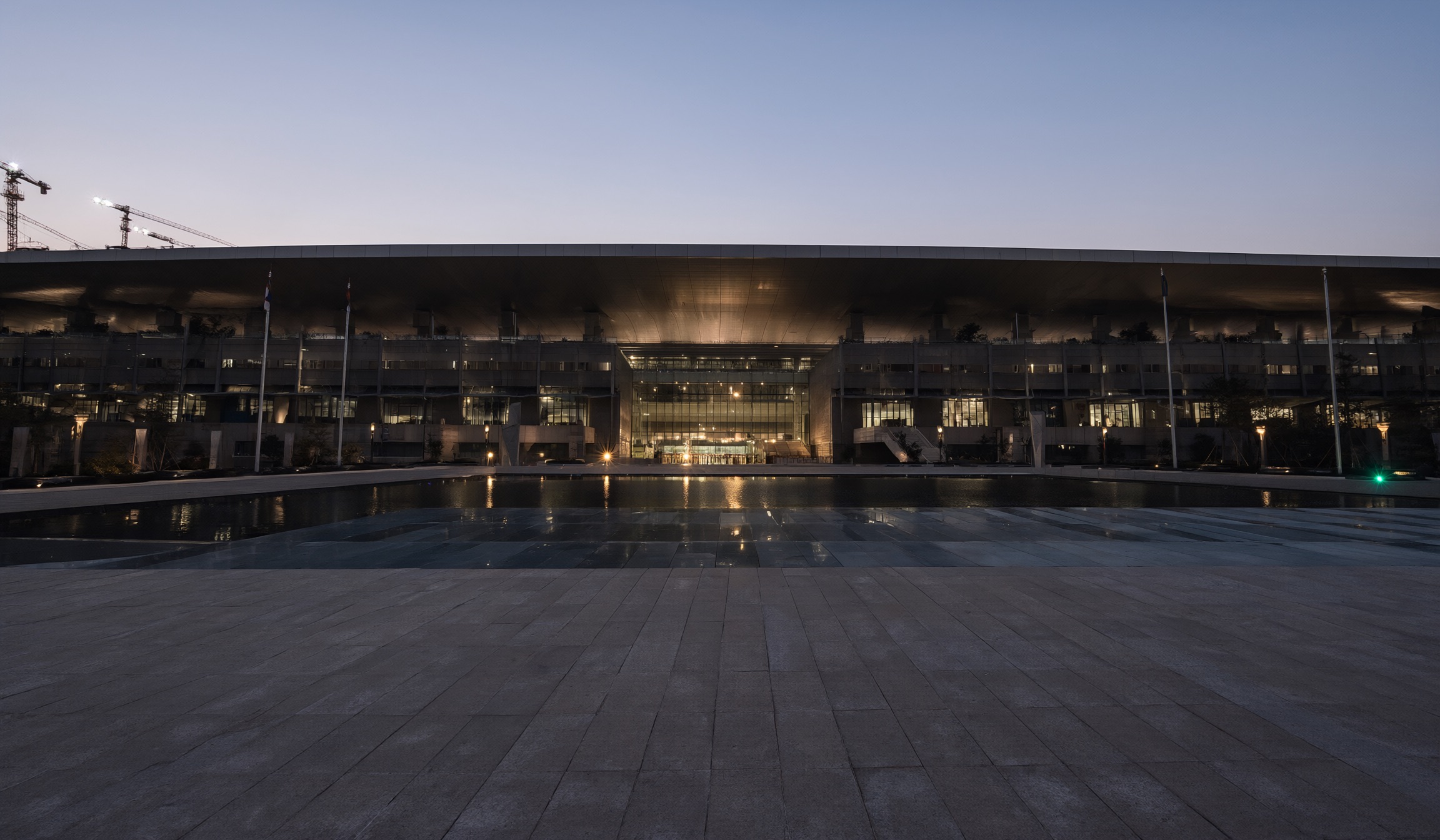
深圳国际交流中心(香蜜湖北区)
- 位置福田区香蜜湖北区,原香蜜湖度假村旧址重建
- 构成会议中心、配套酒店、园林会议区等多个功能片区
- 设计何镜堂院士团队,理念为「世界眼光、中国气派、岭南风格、深圳特色」
- 绿色标准国家绿建三星、LEED 金级、WELL 铂金三重认证
- 首次启用2026 年 7 月,首场会议为 APEC 林业部长级会议
福田会展片区
- 场馆深圳会展中心,位于福田中心区,紧邻地铁会展中心站
- 用途展览、配套边会、媒体与企业展示的常规场地
- 住宿福田中心区酒店密度全市最高,步行可达范围大
- 地铁会展中心站为 1 号线与 4 号线换乘站,另有多站步行可达
- 餐饮购物公园、COCO Park 一带商务餐厅与咖啡馆集中
本届会议的具体主会场、分会场、日程与周边交通组织方案,以官方最终公布为准。香蜜湖、福田中心区、会展中心一带在会议周都会是安保重点区域;不同会议可能在多个场地同时进行。请在出发前核实官方地图与通行安排,不要依赖任何非官方版本的「会场位置」。
实用提示
会议周会发生什么变化
不要把它想象成「全城停摆」,更准确的说法是「局部变慢、身份核验变严」。提前知道哪几个地方会变慢,就足够从容。
| 区域 / 环节 | 可能的影响 | 建议应对 |
|---|---|---|
| 福田中心区、香蜜湖一带 | 安保等级提升,部分道路临时管控或单向通行,个别路段短时封闭 | 避开早晚高峰的核心路段;改乘地铁;预留 30—60 分钟额外时间 |
| 会场周边道路与停车 | 临时停车位取消,停车资源极度紧张,网约车上下客点外移 | 不要自驾前往会场;地铁出站后步行;提前与司机确认下车点 |
| 地铁安检 | 重点车站安检升级、排队变长,部分出入口可能临时关闭 | 只带必要随身物品,液体和充电宝单独取出;比平时早 20 分钟出门 |
| 酒店与餐饮 | 福田、南山高星级酒店满房,商务餐厅需要排队或提前订位 | 尽早预订可免费取消的房间;重要餐叙提前 1—2 周锁定 |
| 机场与口岸 | 商务客流上升,值机与出入境排队时间增加 | 国际航班提前 3 小时到达机场;陆路口岸避开上午 8—10 时的跨境通勤高峰 |
| 高铁与城际 | 深圳北、福田站热门时段车票紧张 | 车票开售即买;实名制乘车,随身携带购票证件原件 |
| 无人机与航拍 | 重点区域可能实施临时禁飞 | 不要在城市核心区起飞无人机;遵守临时公告 |
会议周期间,把护照或港澳通行证当手机一样随身携带。进入部分场馆、酒店大堂、地铁重点站乃至商圈时都可能被要求核验身份;复印件和手机照片通常不被接受。同时给证件拍一张清晰照片存在手机里,万一遗失会省下大量时间。
法律依据:深圳市人民代表大会常务委员会已于 2026 年 9 月 30 日通过决定,授权市政府在会议筹备和举办期间,就公共安全、城市管理、交通运输等事项规定临时性行政措施,实施期限至 2026 年 11 月 30 日。具体措施以市政府发布的决定或命令为准,请关注 sz.gov.cn 与 apec2026.cn。
准备清单
开会前四周,按这个顺序做
-
先解决身份文件
确认护照有效期覆盖整个行程。中国对部分国家实行 30 天单方面免签,另有过境免签安排,二者条件不同且政策会调整,务必在出发前核对官方最新公告。细节见 服务页。
-
锁定住宿与交通
-
处理网络与支付
提前把微信支付或支付宝绑定境外银行卡,落地当天就能扫码;准备好手机卡或 eSIM 方案。这两件事在会议周临时处理会非常被动。
-
备好商务物料
纸质名片在中方场合仍是标准动作,建议带足量、中英文对照的实体名片。所有演示材料准备中英双版本,并自带转接头。
-
下载必要的 App
地图、地铁乘车码、打车、翻译、外卖各留一个。所有 App 都建议出发前在本国网络环境下完成注册与实名,落地后更省事。
-
核对证件副本
护照资料页、签证页、邀请函、酒店订单各打印一份,手机里再存一份。入境时边检可能要求说明来访事由,邀请函最有说服力。
-
排出行程缓冲
11 月 17—19 日的跨区行程,每一段都留出 45—60 分钟缓冲。福田到南山、福田到宝安在高峰期都可能是 40—70 分钟。
-
准备衣着
深圳 11 月白天约 26°C、夜间约 19°C,室内空调偏冷。商务正装加一件薄外套是最稳的组合。更多见 购物与衣着。
-
记下官方渠道
出发前把 sz.gov.cn、apec2026.cn 加入书签,并关注官方发布节奏。会议周的任何临时调整,都会先在官方渠道公布。
-
留一天给自己
会议结束后的第二天通常是最放松的。把深圳湾、南头古城或大鹏海岸留在那时,体验会比赶场好得多。参考 推荐行程。
间歇时间
90 分钟、3 小时、一整天
会议周的间隙时间是碎片化的,按长度选项目,比按兴趣选项目更实际。
不出片区
香蜜湖一带的园林会议区和湖边步道本身就是散步的好地方。福田中心区可以去购物公园地下街解决一顿快饭,或者在会展中心片区的咖啡馆回完邮件。80 分钟是安全上限——会议周的安检与打车等待都不确定。
一个片区,一处深度
地铁前往南山:华侨城创意文化园(OCT-LOFT)适合看展览与独立书店;深圳湾公园可以骑行到红树林,看福田与香港的天际线对望。也可以坐地铁到市民中心,看深圳博物馆的改革开放展,了解这座城市的来处。
城市的两种方向
往东去大鹏半岛:大鹏所城、较场尾海滩与海岸线,是深圳少见的「慢」的一面。往西去宝安与前海:前海石公园、欢乐港湾与海滨文化公园,是这座城市接下来十年的样子。
参会代表
代表专用:注册、证件、安检与接送
以下面向已获正式邀请或注册确认的代表。具体流程以主办方与安保单位的书面通知为准;本站不替代官方手册。
签证邀请与注册
- 邀请函通常由主办方或成员经济体对口单位签发;入境事由请与邀请函表述一致。
- CEO 峰会与边会多为受邀制:完成线上注册后,留意证件领取时间、地点与所需原件(护照、报名确认、照片规格)。
- 未收到书面确认前,不要假定可以入场;现场一般无法临时加签。
会场安检与禁带物品
- 大型国际会议通常实行多层安检:证件核验、随身行李与金属探测。预留额外排队时间。
- 常见限制:大容量液体、剪刀刀具、드론、自拍杆、未授权摄影器材、易燃品。最终清单以入场须知为准。
- 请随身携带护照原件;复印件与手机照片通常不够。
停车与接送点
会议周主场馆周边临时停车往往取消或严格管制。优先使用主办方班车、地铁,或让车辆停在管制区边缘再步行。具体上下客点、班车时刻与禁停路段以官方最终公告为准——在最终通知发布前,请勿依赖任何非官方地图标注。
会议周实时信息(占位)
临时交通管控、证件领取变更、健康与天气提示,请优先查看:
- 深圳市政府门户 sz.gov.cn
- APEC 2026 中国年官网 apec2026.cn
- 主办方发给注册代表的邮件 / 短信 / App 通知
本站可在正式公告发布后,于此处挂载摘要链接说明(仍保持站内纯文本域名,不外链)。
本站使用「APEC 2026」「2026 年深圳 APEC 会议周」等中性描述,便于检索。APEC 名称、标识与会徽的使用有规范;本站为独立信息指南,不代表官方立场,也不使用任何未授权的会议标识。
答疑
关于 APEC 2026 的常见问题
普通人能参加 APEC 会议吗?
领导人非正式会议与高官会是闭门会议,不对公众开放,也不设旁听。但「中国年」期间约 300 场活动中,有相当一部分是工商论坛、行业边会、展览和研讨会,其中不少可以通过主办方渠道报名。同期深圳还会有大量企业开放日和文化活动,对公众开放。
会议周去深圳旅游会不会受影响?
会受局部影响,但城市不会停摆。福田中心区与香蜜湖一带的交通和安保会明显加强,个别路段临时管控;其他区域如南山、罗湖、宝安、大鹏基本正常。建议住在非核心区,出行优先选地铁,并避开 11 月 17—19 日的福田核心路段。
会场具体在哪里?我可以去拍照吗?
APEC 相关会议设施集中在福田区,香蜜湖片区是主会场所在,会展中心片区承担展览与边会。具体主会场与分会场以官方最终公布为准。会场周边在会议周属于安保管控范围,通常不允许无关人员靠近拍摄,请不要尝试。
遇到临时封路怎么办?
先看地铁:深圳地铁在会议周通常是最可靠的交通方式。若必须打车,让司机把你送到管制区边缘,剩下步行或换乘地铁。出发前查看官方发布的管控公告,并预留 30—60 分钟缓冲。不要试图绕过警戒线,配合现场指引是最快的处理方式。
参加 CEO 峰会需要什么证件和着装?
CEO 峰会为受邀制,需要通过主办方(中国贸促会)或成员经济体相关渠道获得正式邀请与注册确认,现场凭注册证件与护照入场。着装以商务正装为主:深色西装、衬衫、皮鞋;女性可选西装套裙。建议同时准备一套稍正式的晚宴着装。
11 月的深圳要穿什么?
11 月是深圳一年中最舒服的月份之一:白天平均最高约 26°C,夜间平均最低约 19°C,降水概率低。日常薄长袖或衬衫即可,早晚加一件薄外套。室内空调普遍偏冷,正式场合务必穿正装并备外套。
会议期间酒店会涨价吗?
福田、南山的高星级酒店在会议周通常满房,价格也会上浮。建议提前数周预订可免费取消的房型,并把住宿范围放宽到地铁 30 分钟可达的区域,如罗湖、南山科技园、龙华。性价比往往更好。
在哪里看官方最新消息?
第一手信息以深圳市政府门户 sz.gov.cn 和 APEC 2026 中国年官网 apec2026.cn 为准。临时性行政措施(交通、安保、城市管理)由市政府发布决定或命令并向社会公布。建议出发前把这两个站点加入书签,并在行程期间每天查看一次。
信息来源与免责:本页会期、主办安排、年度主题与场地启用信息来自公开报道与官方发布;会议日程、会场设置、交通管制与安保措施均可能调整,请以官方最终公布为准。本站为独立整理的信息指南,非官方发布。
Background
What APEC is, and why 2026 matters
APEC is not a treaty organisation. It is a regional economic forum that works by voluntary commitment, consultation and consensus. Its weight comes from its members.
CEO Summit
The CEO Summit: two days of politics and business
Dates and scale
The APEC CEO Summit runs 17–18 November in Shenzhen, hosted by the China Council for the Promotion of International Trade (CCPIT). Around 1,000 political and business representatives from APEC economies are expected.
The summit theme is "promoting prosperity together for a win-win future", with sessions on building the Free Trade Area of the Asia-Pacific, connectivity, artificial intelligence and sustainable development. For companies attending, that list is effectively a map of where regional investment is heading over the next three to five years.
What it means if you are not attending
Even without a summit badge, Shenzhen changes for those two days: five-star hotels sell out, business restaurants in Futian are fully booked, and business traffic through the airport and border crossings rises sharply.
If your trip falls between 17 and 19 November, lock in hotels, high-speed rail seats and restaurant reservations early. If you simply want the atmosphere, a dense programme of industry side events, exhibitions and corporate open days usually runs in parallel — much of it open for registration.
On the programme: the detailed agenda, session breakdown and credential arrangements for both the Leaders' Meeting and the CEO Summit are subject to the official final announcement. Treat the Shenzhen government portal sz.gov.cn and the APEC 2026 China Year site apec2026.cn as the only authoritative versions.
Timeline
From Seattle to Shenzhen
- 1989APEC is founded in Canberra, Australia, with 12 initial members, as a ministerial consultation mechanism.
- 1993The first APEC Economic Leaders' Meeting is held in Seattle. The leaders' level becomes the centre of gravity of the forum.
- 2001China hosts for the first time, in Shanghai — the same year it joins the WTO, accelerating its international integration.
- 2014China hosts a second time, in Beijing, where discussion of a Free Trade Area of the Asia-Pacific gains momentum.
- First half of 2026A run of senior officials' and ministerial meetings takes place across several Chinese cities, setting the agenda for the leaders' meeting.
- July 2026The Shenzhen International Exchange Center opens, with the APEC Forestry Ministerial Meeting as its first major international event — effectively a live rehearsal for the main venue.
- 17–18 Nov 2026The APEC CEO Summit takes place in Shenzhen.
- 18–19 Nov 2026The 33rd APEC Economic Leaders' Meeting is held in Shenzhen — China's third time hosting, and the first in 12 years.
Note: founding year, China's previous hosting years and the 2026 dates all come from public reporting and official releases; venue naming, opening dates and the total number of China Year events likewise follow official channels. If later announcements differ, the official version prevails.
Why Shenzhen
From special economic zone to global innovation hub
Shenzhen was not picked at random. The city is itself a case study in what openness does to a place.
An export economy
Shenzhen lives on trade: goods imports and exports reached RMB 4.55 trillion in 2025, with high-tech products making up nearly half of exports, and port container throughput above 35 million TEU. When global trading rules shift, this city feels it immediately — which is the practical reason it wants to host APEC.
Manufacturing and an innovation ecosystem
Shenzhen's edge is not just R&D, it is the speed from drawing to volume production. Local supply chains can move from prototype to small batch to mass production within days. In 2025 the city produced 7.45 million civil drones, 194,900 industrial robots and 4.22 million 3D printers; strategic emerging industries accounted for 43% of regional GDP.
The Hong Kong and Greater Bay Area link
Air, sea and multiple land crossings connect Shenzhen to Hong Kong, while districts such as Qianhai and Hetao are dedicated to aligning Shenzhen and Hong Kong rules and standards. For an international delegate, that means "meeting in Shenzhen in the morning, client in Hong Kong in the afternoon" is genuinely achievable.
A young population
Shenzhen has one of the youngest populations of any major Chinese city, and the overwhelming majority of residents moved here from elsewhere. Mandarin is the shared language, nobody is treated as an outsider for their accent, and service culture is fast, direct and informal about hierarchy.
The scale of the city
Shenzhen stretches roughly 80 km from east to west; the metro from Futian to Bao'an airport takes close to an hour. This is not a walking city but a cluster of districts stitched together by the metro. Understanding that will save you half your travel time.
Conference capacity
Shenzhen has three tiers of venue — the Shenzhen World Exhibition & Convention Center in Bao'an, the Shenzhen Convention & Exhibition Center in Futian, and the International Exchange Center in Xiangmihu — plus a mature cluster of high-end hotels, enough to host a large multilateral meeting together with its side events.
Venue & surroundings
The Futian and Xiangmihu district
APEC-related facilities are concentrated in Futian District. Xiangmihu is the main venue area; the convention centre district handles exhibitions and side events. They are close together, but you reach them in completely different ways.
Shenzhen International Exchange Center (Xiangmihu North)
- LocationXiangmihu North, Futian District, rebuilt on the former Xiangmihu Resort site
- CompositionConference centre, accompanying hotel and garden meeting zones
- DesignLed by Academician He Jingtang — "global vision, Chinese character, Lingnan style, Shenzhen identity"
- Green credentialsChina Green Building 3-Star, LEED Gold and WELL Platinum
- First useJuly 2026, hosting the APEC Forestry Ministerial Meeting
The Futian convention district
- VenueShenzhen Convention & Exhibition Center, Futian CBD, next to the Convention Center metro stop
- UseExhibitions, side events, media and corporate showcases
- HotelsThe densest hotel cluster in the city, much of it walkable
- MetroConvention Center station is a Line 1 / Line 4 interchange; several other stops are walkable
- DiningBusiness restaurants and cafés cluster around Shopping Park and COCO Park
The specific main venue, break-out venues, programme and surrounding traffic arrangements are subject to the official final announcement. Xiangmihu, the Futian CBD and the convention district will all be security focus areas during the meeting week, and different sessions may run at multiple sites at once. Verify the official map and access arrangements before you travel, and do not rely on any unofficial version of "the venue location".
For choosing where to stay, see Where to stay; for metro, border crossings and airport transfers, see Getting around.
Practical
What actually changes during the meeting week
Do not picture a city grinding to a halt. The accurate picture is "locally slower, much stricter on identity checks". Knowing which pockets slow down is enough to stay comfortable.
| Area / step | Likely impact | How to handle it |
|---|---|---|
| Futian CBD and Xiangmihu | Higher security posture, temporary road controls or one-way arrangements, short-notice closures on some stretches | Avoid core routes at peak hours, switch to metro, add 30–60 minutes to every journey |
| Roads and parking near venues | On-street parking suspended, parking extremely scarce, ride-hailing pick-up points moved further out | Do not drive to a venue; walk from a metro exit; agree the drop-off point with your driver in advance |
| Metro security screening | Stricter screening and longer queues at key stations; some entrances may close temporarily | Carry only what you need, take liquids and power banks out separately, leave 20 minutes earlier than usual |
| Hotels and restaurants | High-end hotels in Futian and Nanshan sell out; business restaurants need reservations or queue | Book a flexible-rate room early; secure important business meals one to two weeks ahead |
| Airport and border crossings | More business traffic, longer check-in and immigration queues | Arrive three hours before international flights; avoid the 8–10 a.m. cross-border commuter peak at land crossings |
| High-speed rail | Popular departures from Shenzhen North and Futian stations tighten | Buy as soon as tickets open; travel is real-name, so carry the original ID you booked with |
| Drones and aerial photography | Temporary no-fly arrangements are possible in key areas | Do not launch a drone over the city core; follow temporary notices |
During the meeting week, carry your passport the way you carry your phone. You may be asked to show it entering venues, hotel lobbies, key metro stations, even shopping districts — and photocopies or phone photos are usually not accepted. Take a sharp photo of the ID page and store it on your phone as well: if the document is lost, it saves hours.
Legal basis: on 30 September 2026 the Standing Committee of the Shenzhen Municipal People's Congress adopted a decision authorising the municipal government to prescribe temporary administrative measures on public safety, urban management and transport during preparation for and staging of the meeting, effective until 30 November 2026. Specific measures take the form of government decisions or orders — watch sz.gov.cn and apec2026.cn.
Checklist
Four weeks out, in this order
-
Settle your travel documents first
Check that your passport remains valid for the whole trip. China operates a 30-day unilateral visa waiver for certain nationalities and separate transit-without-visa arrangements. Conditions differ between them and policies change, so confirm against the latest official notice before departure. Details on the Services page.
-
Lock in lodging and transport
Futian is the tightest market during the meeting week — favour flexible, cancellable rates. Book international flights and high-speed rail together so you never end up with a room but no seat. See Where to stay and Getting around.
-
Sort out connectivity and payments
Link an overseas bank card to WeChat Pay or Alipay before you fly so you can scan from day one, and decide your SIM or eSIM plan. Handling either of these on the ground during the meeting week is unnecessarily painful.
-
Prepare business materials
Physical business cards remain the standard gesture in Chinese business settings — bring plenty, printed with both Chinese and English. Prepare bilingual versions of every deck, and pack your own adaptor.
-
Download the essential apps
One each for maps, metro QR codes, ride-hailing, translation and food delivery. Register and verify them on your home network before you leave; it is far easier than doing it after landing.
-
Make copies of everything
Print the passport data page, visa page, invitation letter and hotel confirmation; keep digital copies too. Border officers may ask the purpose of your visit, and an invitation letter is the most persuasive answer.
-
Build in buffers
For any cross-district movement between 17 and 19 November, allow 45–60 minutes of slack. Futian to Nanshan, or Futian to Bao'an, can easily take 40–70 minutes at peak.
-
Pack for the weather
November in Shenzhen averages around 26°C by day and 19°C at night, with strong air conditioning indoors. Formal business wear plus a light jacket is the reliable combination. More in Shopping & attire.
-
Save the official channels
Bookmark sz.gov.cn and apec2026.cn now and follow their publishing rhythm. Any last-minute change during the meeting week will appear there first.
-
Keep one day for yourself
The day after your last meeting is usually the most relaxed. Save Shenzhen Bay, Nantou Old Town or the Dapeng coast for then — the experience is far better than squeezing it between sessions. See Itineraries.
Gaps between sessions
90 minutes, 3 hours, a full day
Free time during the meeting week comes in fragments. Choosing by length works better than choosing by interest.
Stay in the district
The garden meeting zones and lakeside paths around Xiangmihu are pleasant in themselves. In the Futian CBD you can grab a quick meal in the underground mall at Shopping Park, or clear your inbox in a café by the convention centre. Treat 80 minutes as the safe ceiling — security queues and ride-hailing waits are unpredictable that week.
One district, one thing properly
Take the metro to Nanshan: OCT-LOFT is good for galleries and independent bookshops, while Shenzhen Bay Park lets you cycle to the mangrove flats and look across at Hong Kong's skyline. Alternatively, ride to Civic Center for the reform-and-opening exhibition at Shenzhen Museum and learn where this city came from.
Two directions out of the city
Head east to the Dapeng Peninsula — Dapeng Fortress, Jiaochangwei beach and the coastline show the unhurried side of Shenzhen. Head west to Bao'an and Qianhai — Qianhai Stone Park, OH Bay and the waterfront cultural park show what the next decade of this city looks like.
For delegates
Delegate notes: registration, credentials, screening and drop-off
For guests with a formal invitation or confirmed registration. Follow written instructions from the host and security — this page does not replace the official handbook.
Invitation letters and registration
- Invitation letters are usually issued by the host or the counterpart body for your economy; keep your stated purpose of visit aligned with the letter.
- The CEO Summit and many side events are invitation-only: after online registration, watch for credential pick-up times, venues and required originals (passport, confirmation, photo specs).
- Do not assume entry without written confirmation; walk-up accreditation is rarely possible.
Venue screening and prohibited items
- Large international meetings normally use layered screening: credential checks, bag inspection and metal detection. Budget extra queue time.
- Typical restrictions: large liquids, blades, drones, selfie sticks, unauthorised camera gear, flammables. The final list is in the entry notice.
- Carry your passport original; photocopies and phone photos are usually not accepted.
Parking and drop-off points
Temporary parking near the main venue is often cancelled or tightly controlled during meeting week. Prefer host shuttles or the metro, or alight at the edge of the controlled zone and walk. Exact drop-off points, shuttle times and no-parking streets are subject to the official final announcement — do not rely on unofficial map pins before that notice.
Meeting-week live updates (placeholder)
For temporary traffic controls, credential changes, health and weather alerts, check first:
- Shenzhen government portal sz.gov.cn
- APEC 2026 China Year site apec2026.cn
- Email / SMS / app notices sent to registered delegates
Once official notices are published, this block can hold a short plain-text summary of where to look (domains only — no outbound links).
This site uses neutral phrases such as “APEC 2026” and “2026 Shenzhen APEC meeting week” for searchability. Use of the APEC name, marks and emblem is regulated. This is an independent information guide; it does not speak for any official body and does not display unauthorised event branding.
Q&A
Common questions about APEC 2026
Can members of the public attend APEC meetings?
The Leaders' Meeting and senior officials' meetings are closed, with no public access and no observer seats. However, a good share of the roughly 300 China Year events are business forums, industry side events, exhibitions and seminars, many of them open for registration through the organiser. Shenzhen will also host numerous corporate open days and cultural events that are open to the public.
Will sightseeing in Shenzhen be disrupted that week?
Locally, yes — but the city does not stop. Traffic and security are noticeably heavier around the Futian CBD and Xiangmihu, with temporary controls on some roads. Elsewhere — Nanshan, Luohu, Bao'an, Dapeng — life is essentially normal. Stay outside the core districts, take the metro, and avoid the Futian core between 17 and 19 November.
Where exactly is the venue? Can I go and take photos?
APEC-related facilities are concentrated in Futian District, with Xiangmihu as the main venue area and the convention centre district hosting exhibitions and side events. The specific main and break-out venues are subject to the official final announcement. The area around the venue falls under security control during the meeting week and is generally off limits to unauthorised photography — please do not attempt it.
What should I do if a road is closed?
Look to the metro first: during the meeting week it is normally the most reliable way across the city. If you must take a car, ask the driver to drop you at the edge of the controlled zone and walk or transfer to the metro. Check official control notices before setting out and allow 30–60 minutes of buffer. Do not try to get around a cordon — cooperating with on-site staff is always faster.
What credentials and dress code does the CEO Summit require?
The CEO Summit is by invitation. You need a formal invitation and registration confirmation through the host (CCPIT) or the relevant channel for your economy, and you enter on your registration credential plus passport. Dress is business formal: dark suit, shirt, leather shoes; a tailored suit or dress for women. Add one slightly more formal outfit for evening receptions.
What should I wear in Shenzhen in November?
November is one of the most comfortable months of the year: average highs around 26°C, average lows around 19°C, with a low chance of rain. Light long sleeves or a shirt will do by day; add a light jacket in the morning and evening. Air conditioning indoors is usually cold, so bring a jacket for formal settings.
Do hotel prices spike during the meeting?
High-end hotels in Futian and Nanshan typically sell out and raise rates. Book a cancellable room several weeks ahead and widen your search to anywhere within 30 minutes by metro — Luohu, Nanshan Science Park, Longhua. Value for money is usually better there.
Where do I find official updates?
First-hand information comes from the Shenzhen government portal sz.gov.cn and the APEC 2026 China Year site apec2026.cn. Temporary administrative measures on traffic, security and urban management are issued as municipal government decisions or orders and published publicly. Bookmark both sites before you travel and check them once a day while you are here.
Sources and disclaimer: dates, hosting arrangements, the annual theme and venue opening information on this page come from public reporting and official releases. The programme, venue configuration, traffic controls and security measures may all change — the official final announcement prevails. This is an independent guide, not an official publication.
Keep exploring